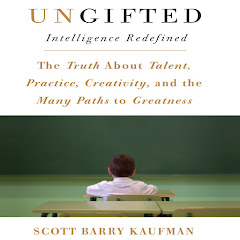
Ungifted: Intelligence Redefined
Scott Kaufman
ឧសភា 2013 · Ascent Audio · បរិយាយដោយ Walter Dixon
star
ការវាយតម្លៃ 1
headphones
សៀវភៅជាសំឡេង
11 វិ 36 ន
មិនសង្ខេប
family_home
មានសិទ្ធិ
info
ចង់បានគំរូឥតគិតថ្លៃ 1 វិ 10 ន ទេ? ស្ដាប់បានគ្រប់ពេល ទោះគ្មានអ៊ីនធឺណិត។
បញ្ចូល
អំពីសៀវភៅជាសំឡេងនេះ
Child prodigies. Gifted and Talented Programs. Perfect 2400s on the SAT. Sometimes it feels like the world is conspiring to make the rest of us feel inadequate. Those children tapped as possessing special abilities will go on to achieve great things, while the rest of us have little chance of realizing our dreams. Right?
In Ungifted, cognitive psychologist Scott Barry Kaufman—who was relegated to special education as a child—sets out to show that the way we interpret traditional metrics of intelligence is misguided. Kaufman explores the latest research in genetics and neuroscience, as well as evolutionary, developmental, social, positive, and cognitive psychology, to challenge the conventional wisdom about the childhood predictors of adult success. He reveals that there are many paths to greatness, and argues for a more holistic approach to achievement that takes into account each young person’s personal goals, individual psychology, and developmental trajectory. In so doing, he increases our appreciation for the intelligence and diverse strengths of prodigies, savants, and late bloomers, as well as those with dyslexia, autism, schizophrenia, and ADHD.
Combining original research, anecdotes, and a singular compassion, Ungifted proves that anyone—even those without readily observable gifts at any single moment in time—can become great.
Child prodigies. Gifted and Talented Programs. Perfect 2400s on the SAT. Sometimes it feels like the world is conspiring to make the rest of us feel inadequate. Those children tapped as possessing special abilities will go on to achieve great things, while the rest of us have little chance of rea...
ស្វែងរកច្រើនទៀត
ការដាក់ផ្កាយ និងមតិវាយតម្លៃ
ការវាយតម្លៃ 1
អំពីអ្នកនិពន្ធ
Scott Kaufman is chair of the Department of History at Francis Marion University, Florence, South Carolina. He is the author of many books, including Rosalynn Carter: Equal Partner in the White House, and, with Burton Kaufman, The Presidency of James Earl Carter, Jr., both from Kansas.
Walter Dixon is a winner of Audible's "#1 Editor's Choice and Customer Favorites" award. The narrator of more than 200 audiobooks, he has performed on stage in stand-up comedy, theater, and opera productions. He has also voiced animated features, vintage radio dramas, and audio tours for the Guggenheim and other museums.
Scott Kaufman is chair of the Department of History at Francis Marion University, Florence, South Carolina. He is the author of many books, including Rosalynn Carter: Equal Partner in the White House, and, with Burton Kaufman, The Presidency of James Earl Carter, Jr., both from Kansas.
Walter Dix...
វាយតម្លៃសៀវភៅជាសំឡេងនេះ
ប្រាប់យើងអំពីការយល់ឃើញរបស់អ្នក។
ព័ត៌មានអំពីការស្ដាប់
ទូរសព្ទឆ្លាតវៃ និងថេប្លេត
ដំឡើងកម្មវិធី Google Play Books សម្រាប់ Android និង iPad/iPhone ។ វាធ្វើសមកាលកម្មដោយស្វ័យប្រវត្តិជាមួយគណនីរបស់អ្នក និងអនុញ្ញាតឱ្យអ្នកអានពេលមានអ៊ីនធឺណិត ឬគ្មានអ៊ីនធឺណិតនៅគ្រប់ទីកន្លែង។
កុំព្យូទ័រយួរដៃ និងកុំព្យូទ័រ
អ្នកអាចអានសៀវភៅដែលបានទិញនៅពេលកម្សាន្ត Google ដោយប្រើកម្មវិធីរុករកបណ្ដាញកុំព្យូទ័ររបស់អ្នក។


