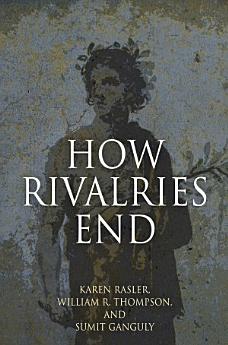
How Rivalries End
خرداد ۲۰۱۳ · University of Pennsylvania Press
ای-کتاب
280
صفحهها
ابزارها
info
family_home
واجد شرایط
info
درباره این ای-کتاب
Rivalry between nations has a long and sometimes bloody history. Not all political opposition culminates in war—the rivalry between the United States and the Soviet Union is one example—but in most cases competition between nations and peoples for resources and strategic advantage does lead to violence: nearly 80 percent of the wars fought since 1816 were sparked by contention between rival nations. Long-term discord is a global concern, since competing states may drag allies into their conflict or threaten to use weapons of mass destruction. How Rivalries End is a study of how such rivalries take root and flourish and particularly how some dissipate over time without recourse to war.
Political scientists Karen Rasler, William R. Thompson, and Sumit Ganguly examine ten political hot spots, stretching from Egypt and Israel to the two Koreas, where crises and military confrontations have occurred over the last seven decades. Through exacting analysis of thirty-two attempts to deescalate strategic rivalries, they reveal a pattern in successful conflict resolutions: shocks that overcome foreign policy inertia; changes in perceptions of the adversary's competitiveness or threat; positive responses to conciliatory signals; and continuing effort to avoid conflict after hostilities cease. How Rivalries End significantly contributes to our understanding why protracted conflicts sometimes deescalate and even terminate without resort to war.
Political scientists Karen Rasler, William R. Thompson, and Sumit Ganguly examine ten political hot spots, stretching from Egypt and Israel to the two Koreas, where crises and military confrontations have occurred over the last seven decades. Through exacting analysis of thirty-two attempts to deescalate strategic rivalries, they reveal a pattern in successful conflict resolutions: shocks that overcome foreign policy inertia; changes in perceptions of the adversary's competitiveness or threat; positive responses to conciliatory signals; and continuing effort to avoid conflict after hostilities cease. How Rivalries End significantly contributes to our understanding why protracted conflicts sometimes deescalate and even terminate without resort to war.
Rivalry between nations has a long and sometimes bloody history. Not all political opposition culminates in war—the rivalry between the United States and the Soviet Union is one example—but in most cases competition between nations and peoples for resources and strategic advantage does lead to vi...
کاوش موارد بیشتر
درباره نویسنده
Karen Rasler and William R. Thompson, Professors of Political Science at Indiana University, have cowritten many books, including Strategic Rivalry: Space, Position, and Conflict Resolution in World Politics. Sumit Ganguly is Rabindranath Tagore Professor of Indian Cultures and Civilizations, and Director of the Center on American and Global Security, at Indiana University. He is the author, most recently, of Conflict Unending: Indo-Pakistani Tensions Since 1947.
Karen Rasler and William R. Thompson, Professors of Political Science at Indiana University, have cowritten many books, including Strategic Rivalry: Space, Position, and Conflict Resolution in World Politics. Sumit Ganguly is Rabindranath Tagore Professor of Indian Cultures and Civilizations, and...
ردهبندی این کتاب الکترونیک
نظرات خود را به ما بگویید.
اطلاعات مطالعه
تلفن هوشمند و رایانه لوحی
برنامه «کتابهای Google Play» را برای Android و iPad/iPhone بارگیری کنید. بهطور خودکار با حسابتان همگامسازی میشود و به شما امکان میدهد هر کجا که هستید بهصورت آنلاین یا آفلاین بخوانید.
رایانه کیفی و رایانه
با استفاده از مرورگر وب رایانهتان میتوانید به کتابهای صوتی خریداریشده در Google Play گوش دهید.
eReaderها و دستگاههای دیگر
برای خواندن در دستگاههای جوهر الکترونیکی مانند کتابخوانهای الکترونیکی Kobo، باید فایل مدنظرتان را بارگیری و به دستگاه منتقل کنید. برای انتقال فایل به کتابخوانهای الکترونیکی پشتیبانیشده، دستورالعملهای مفصل مرکز راهنمایی را دنبال کنید.


