Idyllic

ยท The Collected Works of Leo Tolstoy แžŸแŸ€แžœแž—แŸ…แž‘แžธ 18 ยท Imperial Press
แžŸแŸ€แžœแž—แŸ…โ€‹แžขแŸแžกแžทแž…แžแŸ’แžšแžผแž“แžทแž…
198
แž‘แŸ†แž–แŸแžš
แž˜แžถแž“แžŸแžทแž‘แŸ’แž’แžท

แžขแŸ†แž–แžธแžŸแŸ€แžœแž—แŸ…โ€‹แžขแŸแžกแžทแž…แžแŸ’แžšแžผแž“แžทแž€แž“แŸแŸ‡

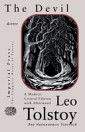
This unfinished composition, conceived in the early 1860s, offers a fragmented yet insightful glimpse into Tolstoy's early engagement with peasant life and his evolving social commentary. Its very incompleteness shows the difficulties of his attempts to portray rural existence and social dynamics.

"Idyllic," or "ะ˜ะดะธะปะปะธั" in Russian, was conceived in August 1860, with work continuing between 1861 and 1862. This composition remained unfinished, with only three fragments preserved: "Tikhon and Malanya," "It's good earnings, but sin comes from it," and "Don't play with fire you'll get burned". The author himself outlined the plot, stating that its characters, driven by self preservation, come to believe that only criminal unreliability can shield them from political unreliability, leading them to form unsavory connections and engage in vulgar acts.

This work, though incomplete, describes Tolstoy's early attempts to grapple with the social and moral difficulties of peasant life in Russia. The author's conceptualization of characters resorting to "criminal unreliability" to navigate political instability hints at his burgeoning critique of social structures and the compromises individuals are forced to make. The very nature of its fragmentation proposes the inherent difficulty in capturing the many sided realities of the era, a challenge Tolstoy would continue to study in his later, more expansive works.

This critical reader's edition presents a modern translation of the original manuscript, crafted for the modern reader with clean, modern language and simplified sentence structures that clarify his difficult Russian phrasing and specific antiquated references. Supplementary material enriches the text with autobiographical, historical, and linguistic setting, including an afterword by the translator on Tolstoy's personal history, impact, and intellectual legacy, an index of the philosophical concepts he employs, giving attention to Existentialism and influence by Schopenhauer, a complete chronological list of his published writings, and a detailed timeline of his life, showing the personal relationships that shaped his philosophy.

This unfinished composition, conceived in the early 1860s, offers a fragmented yet insightful glimpse into Tolstoy's early engagement with peasant life and his evolving social commentary. Its very incompleteness shows the difficulties of his attempts to portray rural existence and social dynamics...

แžŸแŸ’แžœแŸ‚แž„แžšแž€โ€‹แž…แŸ’แžšแžพแž“แž‘แŸ€แž

แžขแŸ†แž–แžธโ€‹แžขแŸ’แž“แž€แž“แžทแž–แž“แŸ’แž’

Leo Tolstoy (1828 to 1910) was a Russian novelist, short story writer, essayist, and religious thinker. His books include War and Peace, Anna Karenina, Resurrection, The Death of Ivan Ilyich, and Hadji Murat, alongside essays on Christianity, art, education, violence, and social life.

แžœแžถแž™แžแž˜แŸ’แž›แŸƒแžŸแŸ€แžœแž—แŸ…โ€‹แžขแŸแžกแžทแž…แžแŸ’แžšแžผแž“แžทแž€แž“แŸแŸ‡

แž”แŸ’แžšแžถแž”แŸ‹แž™แžพแž„แžขแŸ†แž–แžธแž€แžถแžšแž™แž›แŸ‹แžƒแžพแž‰แžšแž”แžŸแŸ‹แžขแŸ’แž“แž€แŸ”

แžขแžถแž“โ€‹แž–แŸแžแŸŒแž˜แžถแž“

แž‘แžผแžšแžŸแž–แŸ’แž‘แž†แŸ’แž›แžถแžแžœแŸƒ แž“แžทแž„โ€‹แžแŸแž”แŸ’แž›แŸแž
แžŠแŸ†แžกแžพแž„แž€แž˜แŸ’แž˜แžœแžทแž’แžธ Google Play Books แžŸแž˜แŸ’แžšแžถแž”แŸ‹ Android แž“แžทแž„ iPad/iPhone แŸ” แžœแžถโ€‹แž’แŸ’แžœแžพแžŸแž˜แž€แžถแž›แž€แž˜แŸ’แž˜โ€‹แžŠแŸ„แž™แžŸแŸ’แžœแŸแž™แž”แŸ’แžšแžœแžแŸ’แžแžทแž‡แžถแž˜แžฝแž™โ€‹แž‚แžŽแž“แžธโ€‹แžšแž”แžŸแŸ‹แžขแŸ’แž“แž€โ€‹ แž“แžทแž„โ€‹แžขแž“แžปแž‰แŸ’แž‰แžถแžแžฑแŸ’แž™โ€‹แžขแŸ’แž“แž€แžขแžถแž“แž–แŸแž›โ€‹แž˜แžถแž“แžขแŸŠแžธแž“แž’แžบแžŽแžทแž แžฌแž‚แŸ’แž˜แžถแž“โ€‹แžขแŸŠแžธแž“แž’แžบแžŽแžทแžโ€‹แž“แŸ…แž‚แŸ’แžšแž”แŸ‹แž‘แžธแž€แž“แŸ’แž›แŸ‚แž„แŸ”
แž€แžปแŸ†แž–แŸ’แž™แžผแž‘แŸแžšโ€‹แž™แžฝแžšแžŠแŸƒ แž“แžทแž„แž€แžปแŸ†แž–แŸ’แž™แžผแž‘แŸแžš
แžขแŸ’แž“แž€แžขแžถแž…แžŸแŸ’แžŠแžถแž”แŸ‹แžŸแŸ€แžœแž—แŸ…แž‡แžถแžŸแŸ†แžกแŸแž„แžŠแŸ‚แž›แž”แžถแž“แž‘แžทแž‰แž“แŸ…แž€แŸ’แž“แžปแž„ Google Play แžŠแŸ„แž™แž”แŸ’แžšแžพแž€แž˜แŸ’แž˜แžœแžทแž’แžธแžšแžปแž€แžšแž€แžแžถแž˜แžขแŸŠแžธแž“แž’แžบแžŽแžทแžแž€แŸ’แž“แžปแž„แž€แžปแŸ†แž–แŸ’แž™แžผแž‘แŸแžšแžšแž”แžŸแŸ‹แžขแŸ’แž“แž€แŸ”
eReaders แž“แžทแž„โ€‹แžงแž”แž€แžšแžŽแŸโ€‹แž•แŸ’แžŸแŸแž„โ€‹แž‘แŸ€แž
แžŠแžพแž˜แŸ’แž”แžธแžขแžถแž“แž“แŸ…แž›แžพโ€‹แžงแž”แž€แžšแžŽแŸ e-ink แžŠแžผแž…แž‡แžถโ€‹แžงแž”แž€แžšแžŽแŸแžขแžถแž“โ€‹แžŸแŸ€แžœแž—แŸ…แžขแŸแžกแžทแž…แžแŸ’แžšแžผแž“แžทแž€ Kobo แžขแŸ’แž“แž€แž“แžนแž„แžแŸ’แžšแžผแžœโ€‹แž‘แžถแž‰แž™แž€โ€‹แžฏแž€แžŸแžถแžš แž แžพแž™โ€‹แž•แŸ’แž‘แŸแžšแžœแžถแž‘แŸ…โ€‹แžงแž”แž€แžšแžŽแŸโ€‹แžšแž”แžŸแŸ‹แžขแŸ’แž“แž€แŸ” แžŸแžผแž˜แžขแž“แžปแžœแžแŸ’แžแžแžถแž˜โ€‹แž€แžถแžšแžŽแŸ‚แž“แžถแŸ†แž›แž˜แŸ’แžขแžทแžแžšแž”แžŸแŸ‹แž˜แž‡แŸ’แžˆแž˜แžŽแŸ’แžŒแž›แž‡แŸ†แž“แžฝแž™ แžŠแžพแž˜แŸ’แž”แžธแž•แŸ’แž‘แŸแžšแžฏแž€แžŸแžถแžšโ€‹แž‘แŸ…แžงแž”แž€แžšแžŽแŸแžขแžถแž“แžŸแŸ€แžœแž—แŸ…โ€‹แžขแŸแžกแžทแž…แžแŸ’แžšแžผแž“แžทแž€แžŠแŸ‚แž›แžŸแŸ’แž‚แžถแž›แŸ‹แŸ”

แž”แž“แŸ’แžแžŸแŸŠแŸแžšแžธ

แž…แŸ’แžšแžพแž“แž‘แŸ€แžแžŠแŸ„แž™ Leo Tolstoy

แžŸแŸ€แžœแž—แŸ…โ€‹แžขแŸแžกแžทแž…แžแŸ’แžšแžผแž“แžทแž€โ€‹แžŸแŸ’แžšแžŠแŸ€แž„แž‚แŸ’แž“แžถ