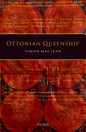
Ottonian Queenship
មីនា 2017 · Oxford University Press
star
ការវាយតម្លៃ 1
សៀវភៅអេឡិចត្រូនិច
272
ទំព័រ
family_home
មានសិទ្ធិ
info
អំពីសៀវភៅអេឡិចត្រូនិកនេះ
This is the first major study in English of the queens of the Ottonian dynasty (919-1024). The Ottonians were a family from Saxony who are often regarded as the founders of the medieval German kingdom. They were the most successful of all the dynasties to emerge from the wreckage of the pan-European Carolingian Empire after it disintegrated in 888, ruling as kings and emperors in Germany and Italy and exerting indirect hegemony in France and in Eastern Europe. It has long been noted by historians that Ottonian queens were peculiarly powerful - indeed, among the most powerful of the entire Middle Ages. Their reputations, particularly those of the empresses Theophanu (d.991) and Adelheid (d.999) have been commemorated for a thousand years in art, literature, and opera. But while the exceptional status of the Ottonian queens is well appreciated, it has not been fully explained. Ottonian Queenship offers an original interpretation of Ottonian queenship through a study of the sources for the dynasty's six queens, and seeks to explain it as a phenomenon with a beginning, middle, and end. The argument is that Ottonian queenship has to be understood as a feature in a broader historical landscape, and that its history is intimately connected with the unfolding story of the royal dynasty as a whole. Simon MacLean therefore interprets the spectacular status of Ottonian royal women not as a matter of extraordinary individual personalities, but as a distinctive product of the post-Carolingian era in which the certainties of the ninth century were breaking down amidst overlapping struggles for elite family power, royal legitimacy, and territory. Queenship provides a thread which takes us through the complicated story of a crucial century in Europe's creation, and helps explain how new ideas of order were constructed from the debris of the past.
This is the first major study in English of the queens of the Ottonian dynasty (919-1024). The Ottonians were a family from Saxony who are often regarded as the founders of the medieval German kingdom. They were the most successful of all the dynasties to emerge from the wreckage of the pan-Europ...
ស្វែងរកច្រើនទៀត
ការដាក់ផ្កាយ និងមតិវាយតម្លៃ
ការវាយតម្លៃ 1
អំពីអ្នកនិពន្ធ
Simon MacLean studied for his undergraduate and Master's degrees at the University of Glasgow, and his PhD at King's College London. He is now a professor in the School of History at the University of St Andrews, teaching and researching the history of Western Europe in the early Middle Ages, especially the ninth and tenth centuries.
Simon MacLean studied for his undergraduate and Master's degrees at the University of Glasgow, and his PhD at King's College London. He is now a professor in the School of History at the University of St Andrews, teaching and researching the history of Western Europe in the early Middle Ages, esp...
វាយតម្លៃសៀវភៅអេឡិចត្រូនិកនេះ
ប្រាប់យើងអំពីការយល់ឃើញរបស់អ្នក។
អានព័ត៌មាន
ទូរសព្ទឆ្លាតវៃ និងថេប្លេត
ដំឡើងកម្មវិធី Google Play Books សម្រាប់ Android និង iPad/iPhone ។ វាធ្វើសមកាលកម្មដោយស្វ័យប្រវត្តិជាមួយគណនីរបស់អ្នក និងអនុញ្ញាតឱ្យអ្នកអានពេលមានអ៊ីនធឺណិត ឬគ្មានអ៊ីនធឺណិតនៅគ្រប់ទីកន្លែង។
កុំព្យូទ័រយួរដៃ និងកុំព្យូទ័រ
អ្នកអាចស្ដាប់សៀវភៅជាសំឡេងដែលបានទិញនៅក្នុង Google Play ដោយប្រើកម្មវិធីរុករកតាមអ៊ីនធឺណិតក្នុងកុំព្យូទ័ររបស់អ្នក។
eReaders និងឧបករណ៍ផ្សេងទៀត
ដើម្បីអាននៅលើឧបករណ៍ e-ink ដូចជាឧបករណ៍អានសៀវភៅអេឡិចត្រូនិក Kobo អ្នកនឹងត្រូវទាញយកឯកសារ ហើយផ្ទេរវាទៅឧបករណ៍របស់អ្នក។ សូមអនុវត្តតាមការណែនាំលម្អិតរបស់មជ្ឈមណ្ឌលជំនួយ ដើម្បីផ្ទេរឯកសារទៅឧបករណ៍អានសៀវភៅអេឡិចត្រូនិកដែលស្គាល់។