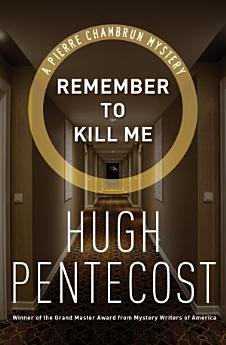
Remember to Kill Me
តុលា 2013 · The Pierre Chambrun Mysteries សៀវភៅទី 19 · Open Road Media
សៀវភៅអេឡិចត្រូនិច
323
ទំព័រ
family_home
មានសិទ្ធិ
info
អំពីសៀវភៅអេឡិចត្រូនិកនេះ
A group of thugs storms the Beaumont Hotel, and only Pierre Chambrun can stop the chaos
There has been trouble in Central Park. Free concerts given on the great lawn have been ending in upheaval as gangs of toughs maraud through the crowd with bats, chains, and knives—taking what they want and crushing those who stand in their way. During a performance by red-hot diva Donna Ward, the park is peaceful. But afterward, the horde descends on the Beaumont Hotel, smashing the bar and storming the elevators in search of beautiful things to steal or destroy.
In the chaos, someone takes three shots at Victoria Haven, the onetime beauty queen who has, for decades, occupied the penthouse. After the throng is expelled from the premises, manager Pierre Chambrun tries to discover who would want to kill this harmless old glamour girl. But his investigation is about to be upended—for the riot is only the beginning of his trouble.
A group of thugs storms the Beaumont Hotel, and only Pierre Chambrun can stop the chaos
There has been trouble in Central Park. Free concerts given on the great lawn have been ending in upheaval as gangs of toughs maraud through the crowd with bats, chains, and knives—taking what they want and c...
ស្វែងរកច្រើនទៀត
អំពីអ្នកនិពន្ធ
Hugh Pentecost was a penname of mystery author Judson Philips (1903–1989). Born in Massachusetts, Philips came of age during the golden age of pulp magazines, and spent the 1930s writing suspense fiction and sports stories for a number of famous pulps. His first book was Hold 'Em Girls! The Intelligent Women's Guide to Men and Football (1936). In 1939, his crime story Cancelled in Red won the Red Badge prize, launching his career as a novelist. Philips went on to write nearly one hundred books over the next five decades.
His best-known characters were Pierre Chambrun, a sleuthing hotel manager who first appeared in The Cannibal Who Overate (1962), and the one-legged investigative reporter Peter Styles, introduced in Laughter Trap (1964). Although he spent his last years with failing vision and poor health, Philips continued writing daily. His final novel was the posthumously published Pattern for Terror (1989).
His best-known characters were Pierre Chambrun, a sleuthing hotel manager who first appeared in The Cannibal Who Overate (1962), and the one-legged investigative reporter Peter Styles, introduced in Laughter Trap (1964). Although he spent his last years with failing vision and poor health, Philips continued writing daily. His final novel was the posthumously published Pattern for Terror (1989).
Hugh Pentecost was a penname of mystery author Judson Philips (1903–1989). Born in Massachusetts, Philips came of age during the golden age of pulp magazines, and spent the 1930s writing suspense fiction and sports stories for a number of famous pulps. His first book was Hold 'Em Girls! The Intel...
វាយតម្លៃសៀវភៅអេឡិចត្រូនិកនេះ
ប្រាប់យើងអំពីការយល់ឃើញរបស់អ្នក។
អានព័ត៌មាន
ទូរសព្ទឆ្លាតវៃ និងថេប្លេត
ដំឡើងកម្មវិធី Google Play Books សម្រាប់ Android និង iPad/iPhone ។ វាធ្វើសមកាលកម្មដោយស្វ័យប្រវត្តិជាមួយគណនីរបស់អ្នក និងអនុញ្ញាតឱ្យអ្នកអានពេលមានអ៊ីនធឺណិត ឬគ្មានអ៊ីនធឺណិតនៅគ្រប់ទីកន្លែង។
កុំព្យូទ័រយួរដៃ និងកុំព្យូទ័រ
អ្នកអាចស្ដាប់សៀវភៅជាសំឡេងដែលបានទិញនៅក្នុង Google Play ដោយប្រើកម្មវិធីរុករកតាមអ៊ីនធឺណិតក្នុងកុំព្យូទ័ររបស់អ្នក។
eReaders និងឧបករណ៍ផ្សេងទៀត
ដើម្បីអាននៅលើឧបករណ៍ e-ink ដូចជាឧបករណ៍អានសៀវភៅអេឡិចត្រូនិក Kobo អ្នកនឹងត្រូវទាញយកឯកសារ ហើយផ្ទេរវាទៅឧបករណ៍របស់អ្នក។ សូមអនុវត្តតាមការណែនាំលម្អិតរបស់មជ្ឈមណ្ឌលជំនួយ ដើម្បីផ្ទេរឯកសារទៅឧបករណ៍អានសៀវភៅអេឡិចត្រូនិកដែលស្គាល់។