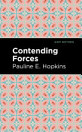
Talma Gordon

· Graphic Arts Books
eBook
20
Páginas
Herramientas
Apto

Información sobre este eBook

Talma Gordon (1900) is a short story by Pauline E. Hopkins. Recognized as the first African American mystery story, Talma Gordon was originally published in the October 1900 edition of The Colored American Magazine, America’s first monthly periodical covering African American arts and culture. Combining themes of racial identity and passing with a locked room mystery plot, Hopkins weaves a masterful tale of conspiracy, suspicion, and murder. “When the trial was called Jeannette sat beside Talma in the prisoner’s dock; both were arrayed in deepest mourning, Talma was pale and careworn, but seemed uplifted, spiritualized, as it were. [...] She had changed much too: hollow cheeks, tottering steps, eyes blazing with fever, all suggestive of rapid and premature decay.” When Puritan descendant Jonathan Gordon is discovered murdered under suspicious circumstances, the ensuing trial implicates his own daughter Talma. Despite being declared innocent, the townsfolk are determined to believe that Talma conspired to have her father killed after he discovered her mixed racial heritage. Freed from the prospect of imprisonment, Talma is left with only her sister’s protection against the anger and violence of her neighbors. With this thrilling tale of murder and racial tension, Hopkins proves herself as a true pioneer of American literature, a woman whose talent and principles afforded her the vision necessary for illuminating the injustices of life in a nation founded on slavery and genocide. With a beautifully designed cover and professionally typeset manuscript, this edition of Pauline E. Hopkins’ Talma Gordon is a classic work of African American literature reimagined for modern readers.
Talma Gordon (1900) is a short story by Pauline E. Hopkins. Recognized as the first African American mystery story, Talma Gordon was originally published in the October 1900 edition of The Colored American Magazine, America’s first monthly periodical covering African American arts and culture. Co...

Descubre más

Acerca del autor

Pauline Elizabeth Hopkins (1859-1930) was an African American novelist, playwright, and historian. Born in Portland, Maine, Hopkins was raised in Boston by her mother and adopted father. Supported in her academic pursuits from a young age, Hopkins excelled at Girls High School, where she won a local competition for her essay on the raising of children. In 1877, she began her career as a dramatist with a production in Saratoga, which encouraged her to write a musical entitled Slaves’ Escape; or, The Underground Railroad (1880). In 1900, she published “Talma Gordon,” now considered the first mystery story written by an African American author. Having established herself as a professional writer, she published three serial novels in the periodical The Colored American Magazine, including Hagar’s Daughter: A Story of Southern Caste Prejudice (1901-1902) and Winona: A Tale of Negro Life in the South and Southwest (1902-1903). Often compared to her contemporaries Charles Chestnutt and Paul Laurence Dunbar, Hopkins made a name for herself as a successful and ambitious author who advocated for the rights of African Americans at a time of intense violence and widespread oppression.

Pauline Elizabeth Hopkins (1859-1930) was an African American novelist, playwright, and historian. Born in Portland, Maine, Hopkins was raised in Boston by her mother and adopted father. Supported in her academic pursuits from a young age, Hopkins excelled at Girls High School, where she won a lo...

Valorar este eBook

Danos tu opinión.

Información sobre cómo leer

Smartphones y tablets
Instala la aplicación Google Play Libros para Android y iPad/iPhone. Se sincroniza automáticamente con tu cuenta y te permite leer contenido online o sin conexión estés donde estés.
Ordenadores portátiles y de escritorio
Puedes usar el navegador web del ordenador para escuchar audiolibros que hayas comprado en Google Play.
eReaders y otros dispositivos
Para leer en dispositivos de tinta electrónica, como los lectores de libros electrónicos de Kobo, es necesario descargar un archivo y transferirlo al dispositivo. Sigue las instrucciones detalladas del Centro de Ayuda para transferir archivos a lectores de libros electrónicos compatibles.