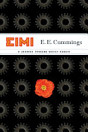
The Enormous Room
Mei 1999 · Dijual oleh Penguin
eBook
304
Halaman
Alat
info
family_home
Memenuhi syarat
info
Tentang eBook ini
In 1917 young Edward Estlin Cummings went to France as a volunteer with a Red Cross ambulance unit on the western front. But his free-spirited, insubordinate ways soon got him tagged as a possible enemy of La Patrie, and he was summarily tossed into a French concentration camp at La Ferte-Mace in Normandy. Under the vilest conditions, Cummings found fulfillment of his ever elusive quest for freedom. The Enormous Room, his account of his four-month confinement, reads like a latter-day Pilgrim's Progress, a journey into dispossession, to a place among the most debased and deprived of human creatures. Cummings's hopeful tone reflects the essential paradox of his existence: to lose everything is to become free, and so to be saved.
For more than seventy years, Penguin has been the leading publisher of classic literature in the English-speaking world. With more than 1,700 titles, Penguin Classics represents a global bookshelf of the best works throughout history and across genres and disciplines. Readers trust the series to provide authoritative texts enhanced by introductions and notes by distinguished scholars and contemporary authors, as well as up-to-date translations by award-winning translators.
In 1917 young Edward Estlin Cummings went to France as a volunteer with a Red Cross ambulance unit on the western front. But his free-spirited, insubordinate ways soon got him tagged as a possible enemy of La Patrie, and he was summarily tossed into a French concentration camp at La Ferte-Mace in...
Temukan lainnya
Tentang pengarang
Edward Estlin Cummings was born in Cambridge, Massachusetts, in 1894, the son of a Unitarian minister. Educated at Harvard, in 1917 he moved to Greenwich Village in New York City and began to write poetry and paint. In June of that year he went to France as a Red Cross volunteer with the ambulance corps and was soon arrested and imprisoned, though not charged with a crime, in a French concentration camp. That experience inspired his autobiographical novel, The Enormous Room, which was published in 1922. The next year Tulips and Chimneys, the first of his many volumes of poetry, appeared. It is for his typographically creative poetry that he is best known, but Cummings also painted and wrote expressionist verse drama and prose. Until the 1930s, he preferred the lowercase e.e. cummings. He lived in Paris for a few years after World War I, then returned to New York. He died in 1962 in North Conway, New Hampshire.
Samuel Hynes is Woodrow Wilson Professor of Literature Emeritus at Princeton University and the author of several major works of literary criticism, including The Auden Generation, Edwardian Occasions, and The Edwardian Turn of Mind. Hynes's wartime experiences as a Marine Corps pilot were the basis for his highly praised memoir, Flights of Passage. The Soldiers' Tale, his book about soldiers' narratives of the two world wars and Vietnam, won a Robert F. Kennedy Award. He is also a fellow of the Royal Society of Literature.
Samuel Hynes is Woodrow Wilson Professor of Literature Emeritus at Princeton University and the author of several major works of literary criticism, including The Auden Generation, Edwardian Occasions, and The Edwardian Turn of Mind. Hynes's wartime experiences as a Marine Corps pilot were the basis for his highly praised memoir, Flights of Passage. The Soldiers' Tale, his book about soldiers' narratives of the two world wars and Vietnam, won a Robert F. Kennedy Award. He is also a fellow of the Royal Society of Literature.
Edward Estlin Cummings was born in Cambridge, Massachusetts, in 1894, the son of a Unitarian minister. Educated at Harvard, in 1917 he moved to Greenwich Village in New York City and began to write poetry and paint. In June of that year he went to France as a Red Cross volunteer with the ambulanc...
Beri rating eBook ini
Sampaikan pendapat Anda.
Informasi bacaan
Smartphone dan tablet
Instal aplikasi Google Play Buku untuk Android dan iPad/iPhone. Aplikasi akan disinkronkan secara otomatis dengan akun Anda dan dapat diakses secara online maupun offline di mana saja.
Laptop dan komputer
Anda dapat mendengarkan buku audio yang dibeli di Google Play menggunakan browser web komputer.
eReader dan perangkat lainnya
Untuk membaca di perangkat e-ink seperti Kobo eReaders, Anda perlu mendownload file dan mentransfernya ke perangkat Anda. Ikuti petunjuk Pusat bantuan yang mendetail untuk mentransfer file ke eReaders yang didukung.