关于此电子书
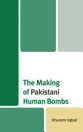
A multi-level analysis of Pakistani human bombs reveals that suicide terrorism is caused by multiple factors with perceived effectiveness, vengeance, poverty, and religious fundamentalism playing a varying role at the individual, organizational, and environmental levels. Nationalism and resistance to foreign occupation appear as the least relevant factors behind suicide terrorism in Pakistan. The findings of this research are based on a multi-level analysis of suicide bombings, incorporating both primary and secondary data. In this study, the author also decodes personal, demographic, economic and marital characteristics of Pakistani human bombs. On average, Pakistani suicide bombers are the youngest but the deadliest in the world, and more than 71 percent of their victims are civilians. Earlier concepts of a weak link linking terrorism with poverty and illiteracy do not hold up against the recent data gathered on the post-9/11 generation of fighters in Pakistan (in suicidal and non-suicidal categories), as the majority of fighters from a variety of terrorist organizations are economically deprived and semi-literate. The majority of Pakistani human bombs come from rural backgrounds, with very few from major urban centres. Suicide bombings in Pakistan remain a male-dominated phenomenon, with most bombers being single men. Demographic profiling of Pakistani suicide bombers, based on a random sample of 80 failed and successful attackers, dents the notion that American drone strikes play a primary role in promoting terrorism in all its manifestations. The study concludes that previous scholarly attempts to explain suicide bombings are largely based on Middle Eastern data, thus their application in the case of Pakistan can be misleading. The Pakistani case study of suicide terrorism demonstrates unique characteristics, hence it needs to be understood and countered through a context-specific and multi-level approach.
A multi-level analysis of Pakistani human bombs reveals that suicide terrorism is caused by multiple factors with perceived effectiveness, vengeance, poverty, and religious fundamentalism playing a varying role at the individual, organizational, and environmental levels. Nationalism and resistanc...
探索更多
作者简介
Khuram Iqbal is assistant professor of counter-terrorism at the National Defense University, Pakistan.
Khuram Iqbal is assistant professor of counter-terrorism at the National Defense University, Pakistan.
为此电子书评分
欢迎向我们提供反馈意见。
如何阅读
智能手机和平板电脑
笔记本电脑和台式机
您可以使用计算机的网络浏览器聆听您在 Google Play 购买的有声读物。
电子阅读器和其他设备
如果要在 Kobo 电子阅读器等电子墨水屏设备上阅读,您需要下载一个文件,并将其传输到相应设备上。若要将文件传输到受支持的电子阅读器上,请按帮助中心内的详细说明操作。